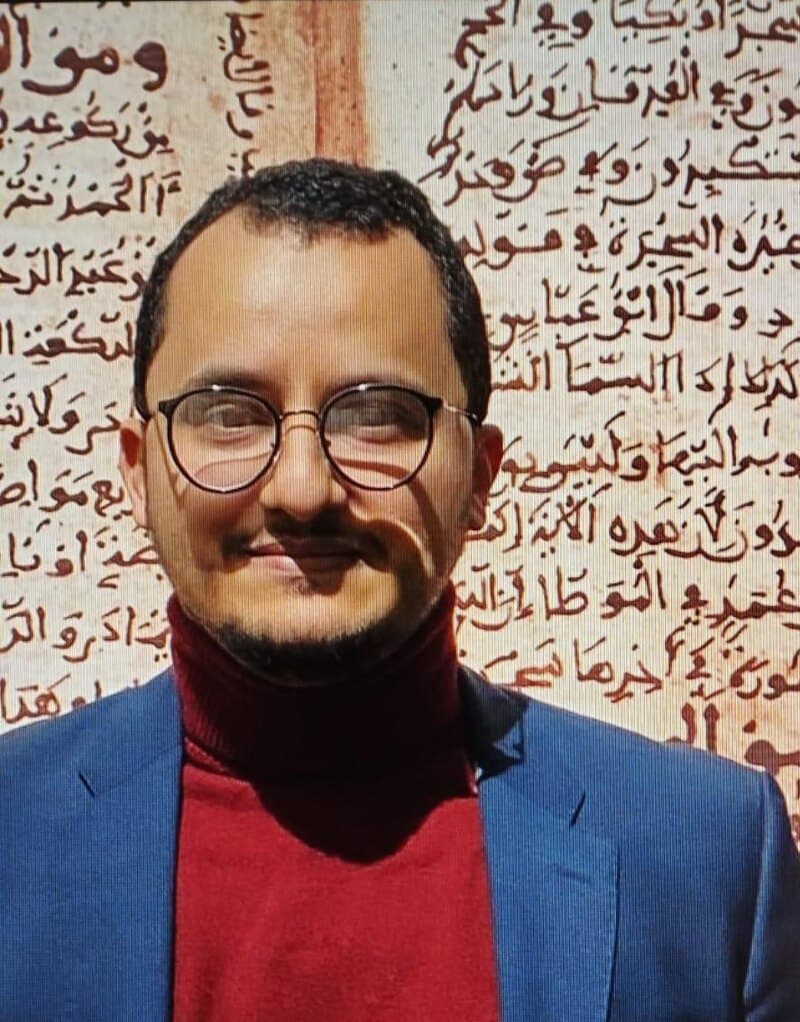
Ilyass Amharar
Islamicist and agrégé in Arabic, habilitated to supervise research (EPHE — Sorbonne). Series and journal editor at Brill, lecturer at al-Qarawiyyīn University, former adviser to the Moroccan Minister of Islamic Affairs.
What guides this work
To make accessible, in exact language, the works that shaped the thought of the Islamic West — so that debate about Islam may at last be nourished by the texts themselves.
Ilyass Amharar began his training in Beirut, at the Global University, following two courses at once: classical Arabic grammar on one side, uṣūl al-fiqh on the other. That double entry — language and law — settled everything that came after: in the authors he would study, theology is first played out as a theory of language.
A master's in Arabic grammar and Islamic studies at the Sorbonne, the CAPES in 2017, then a doctorate defended in 2021 under Éric Chaumont, on qāḍī Abū Bakr Ibn al-ʿArabī and his Nukat al-maḥṣūl. The following year he ranked first in the agrégation in Arabic.
In January 2025 he defended his habilitation at the EPHE — Sorbonne, before a jury chaired by François Déroche: “From Baghdad to Fez: a Moroccan erudition read backwards. Manuscripts, philology and digital humanities”. It is the highest French academic grade, the one that permits supervising doctoral work.
He has since edited Brill's Islamic Sources series and, since 2026, the journal Philological Encounters. He teaches Arabic language and Islamic thought at al-Qarawiyyīn University in Fez, co-supervises master's theses in France, and sits on examination boards at the Mohammed VI Institute of Qurʾanic Studies.
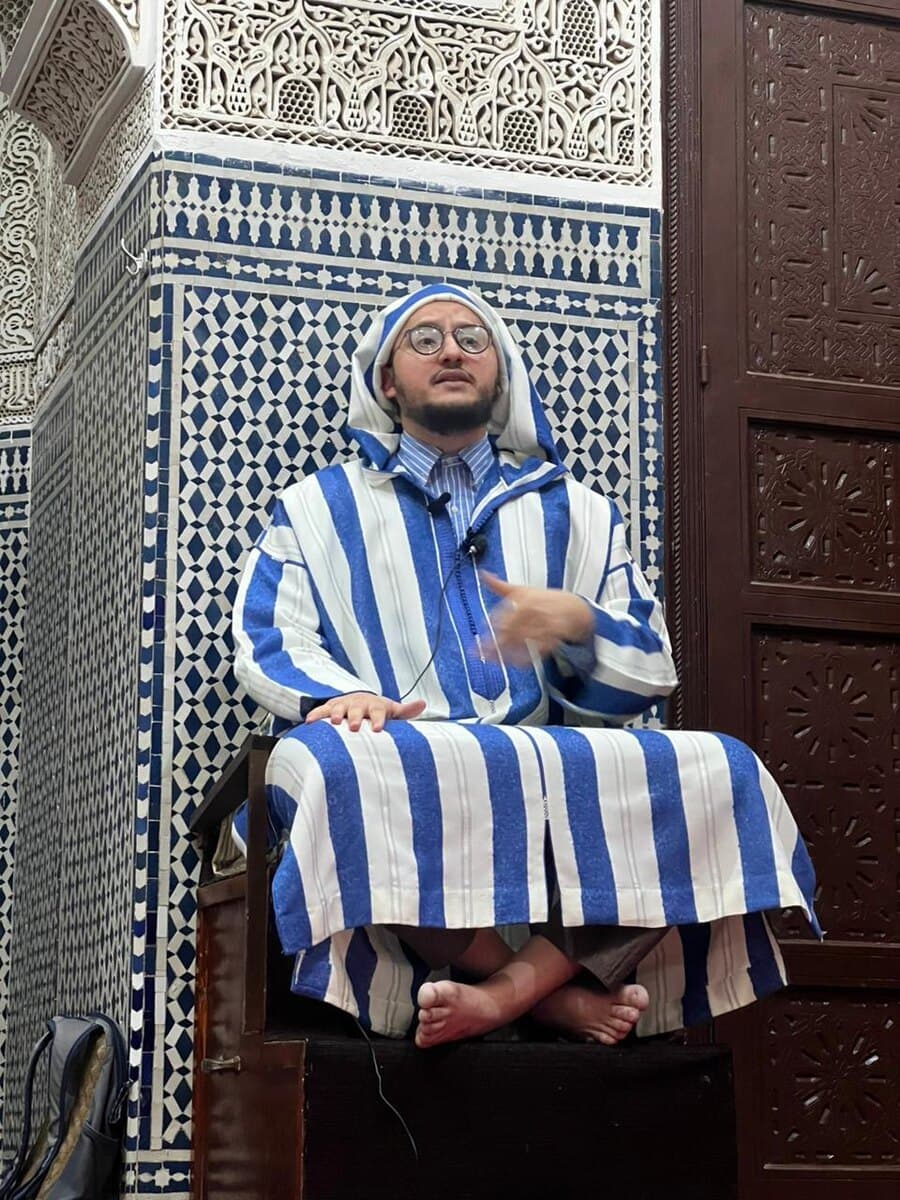
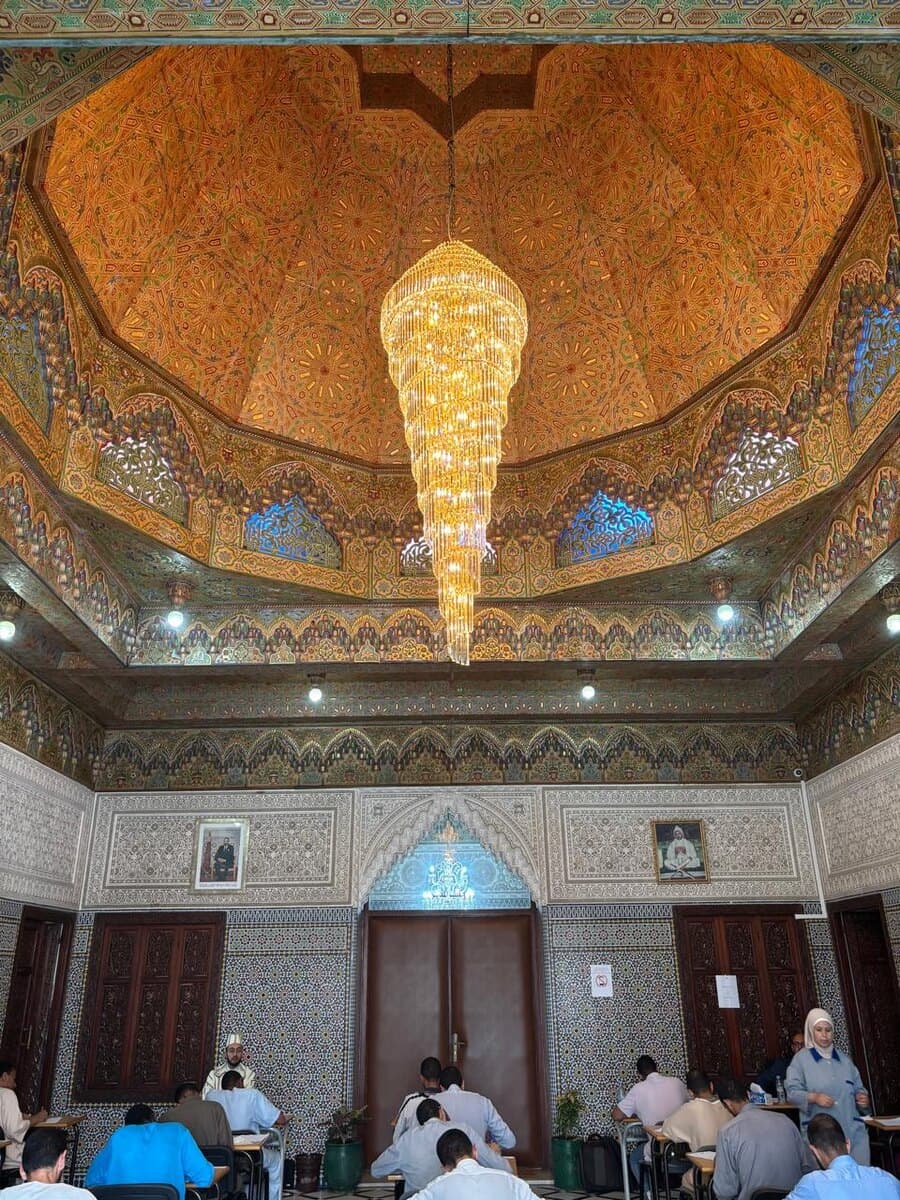
A teaching session: the text first, explained sentence by sentence.
Career
The stages of a classical training combined with an academic career.
- 2025 –Series and journal editorBrill, Leiden & Boston
Editor of the Islamic Sources / Maṣādir Islāmiyya series, and since 2026 of the journal Philological Encounters and its monograph series.
- 2025 –Lectureral-Qarawiyyīn University, Fez
Arabic language and Islamic thought, with master's examination boards at the Mohammed VI Institute of Qurʾanic Studies.
- 2025Habilitation to supervise researchEPHE — Sorbonne, Paris
Defended 23 January 2025: “From Baghdad to Fez: a Moroccan erudition read backwards. Manuscripts, philology and digital humanities (11th–20th c.)”. Jury chaired by François Déroche.
- 2022Agrégation in ArabicParis-Sorbonne
Ranked first in the national competitive examination.
- 2017 – 2021Doctorate in Arabic and Islamic studiesAix-Marseille University
Supervised by Éric Chaumont: “Language and theology in an Andalusian Ashʿarite, disciple of al-Ghazālī: Qāḍī Abū Bakr Ibn al-ʿArabī and his Nukat al-maḥṣūl”.
- 2015 – 2017Master's in Arabic grammar and Islamic studiesParis-Sorbonne University
Supervised by Frédéric Chehadeh, then Éric Chaumont and Abdallāh Cheikh-Moussa. CAPES in Arabic in 2017 (ranked 3rd).
- 2011 – 2015Degrees in Arabic and Islamic lawGlobal University, Beirut
A double course of study: classical grammar and uṣūl al-fiqh, through to a first-class master's year.
Research areas
Three projects carried out together, all anchored in the manuscript.
- The history of Ašʿarism in the Islamic West, from the Almoravids to the Marinids: networks of transmission, professions of faith, controversies.
- Legal theory (uṣūl al-fiqh) among Andalusi and Maghrebi authors, and in particular the reception of Fakhr al-Dīn al-Rāzī's Maḥṣūl.
- The transmission of Arabic grammar and the place of Sībawayh's Kitāb in Maghrebi teaching.
Teaching
Arabic language, Islamic studies, theology and legal theory, taught in France as well as in Morocco.
- French universities — Arabic language and Islamic studies
- Al-Qarawiyyīn University, Fez — Islamic sciences
- Centre Jacques Berque, Rabat — research seminars
- IREMAM, Aix-en-Provence — Kalām in the Maghreb programme
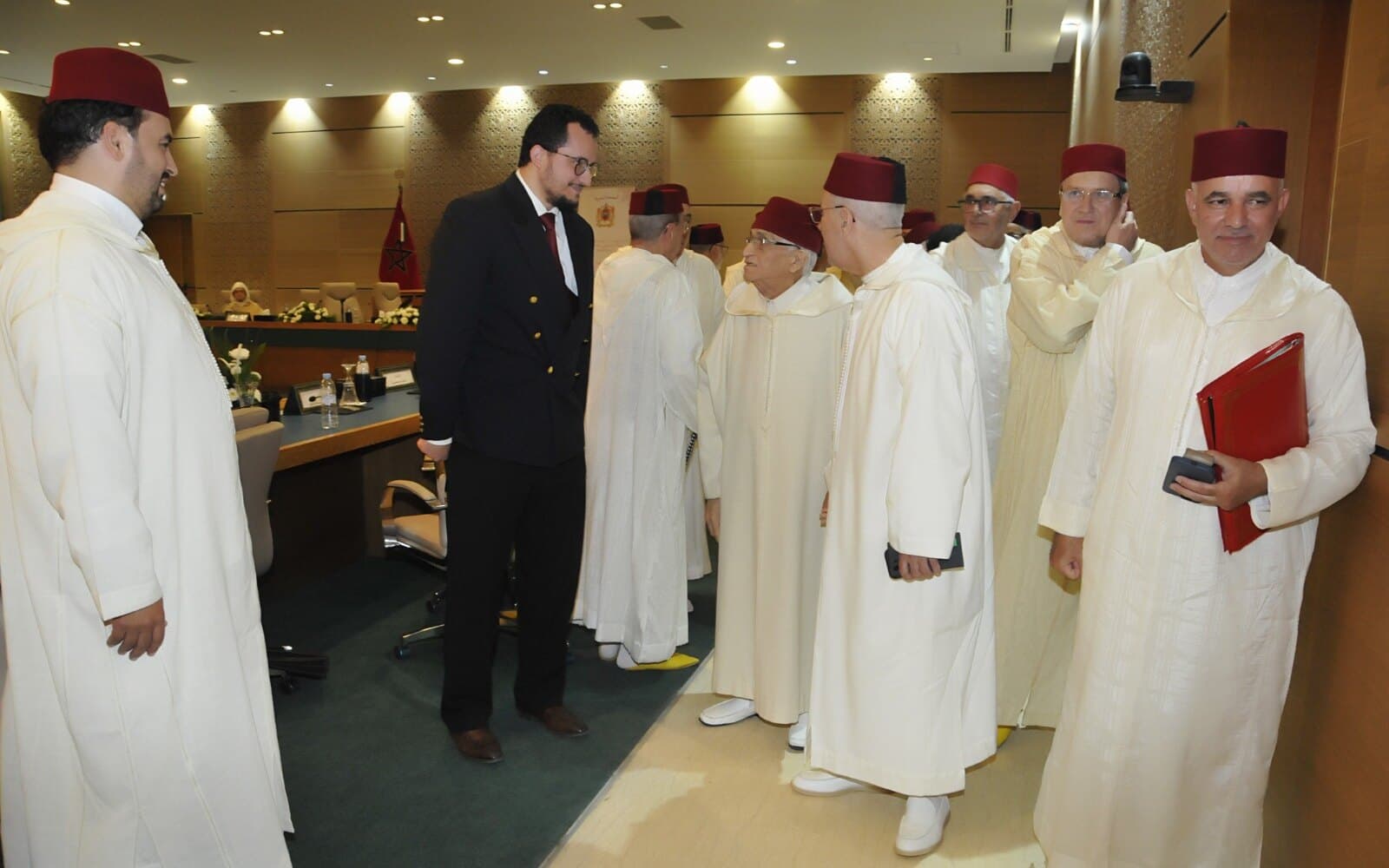
In pictures
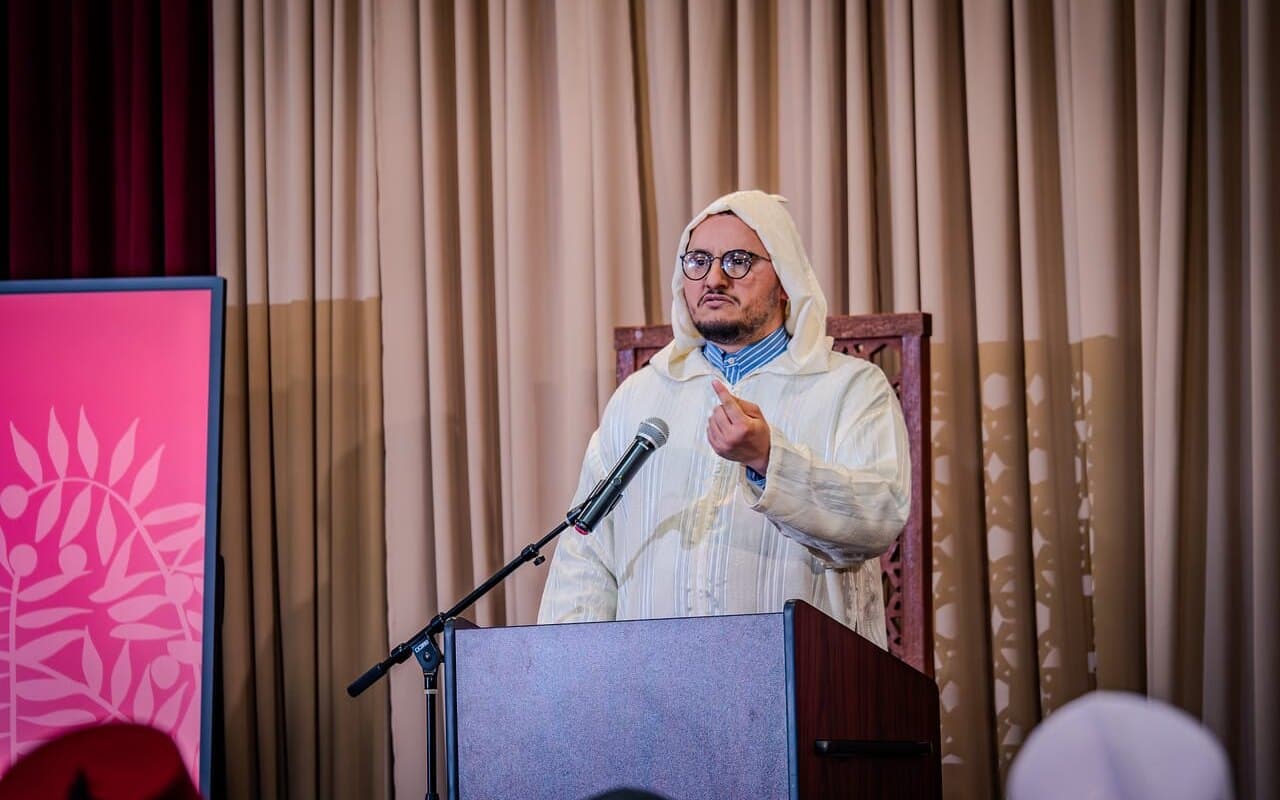
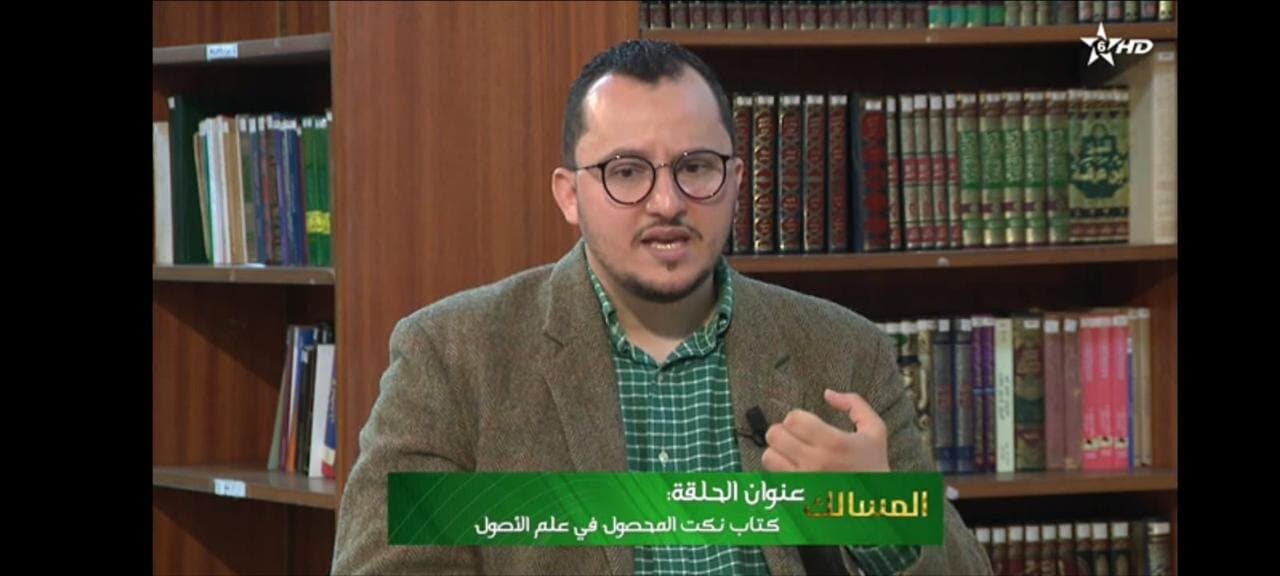
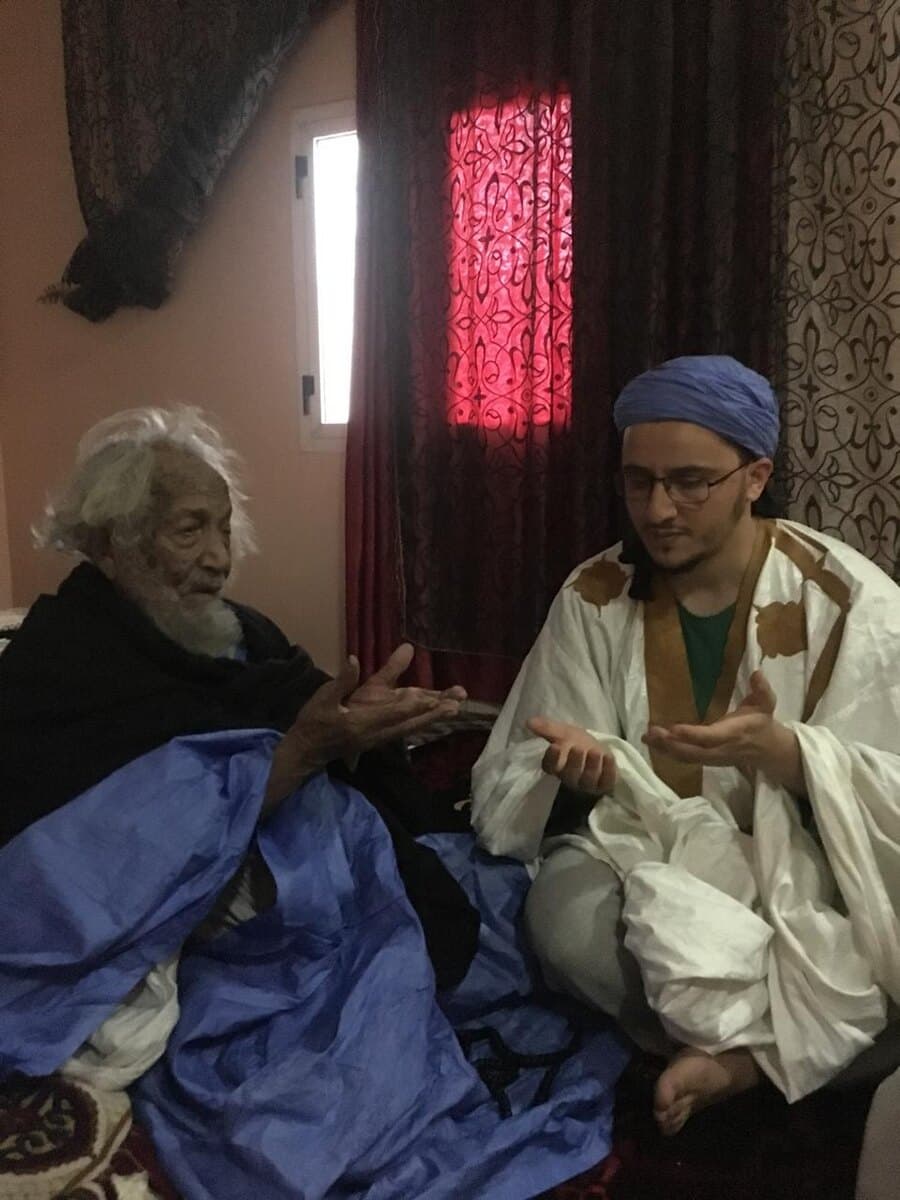
Pulpits, conferences, television studios and the houses of masters: research does not stay in the study.